
“Design is emotional, but math describes it.”
Systematic simulations of emotions
Emotional Landscapes
Emotional Landscapes is a personal study in translating internal states into spatial simulations.
For years, I tried illustrating my emotions. Yet every attempt felt slightly caricatured, too literal, too symbolic, too simplified. I could never fully capture what I was actually trying to express.
I spend a lot of time analyzing my emotions, observing when one becomes dominant, how it transforms into another, and how they coexist. This project emerged from that habit of observation.
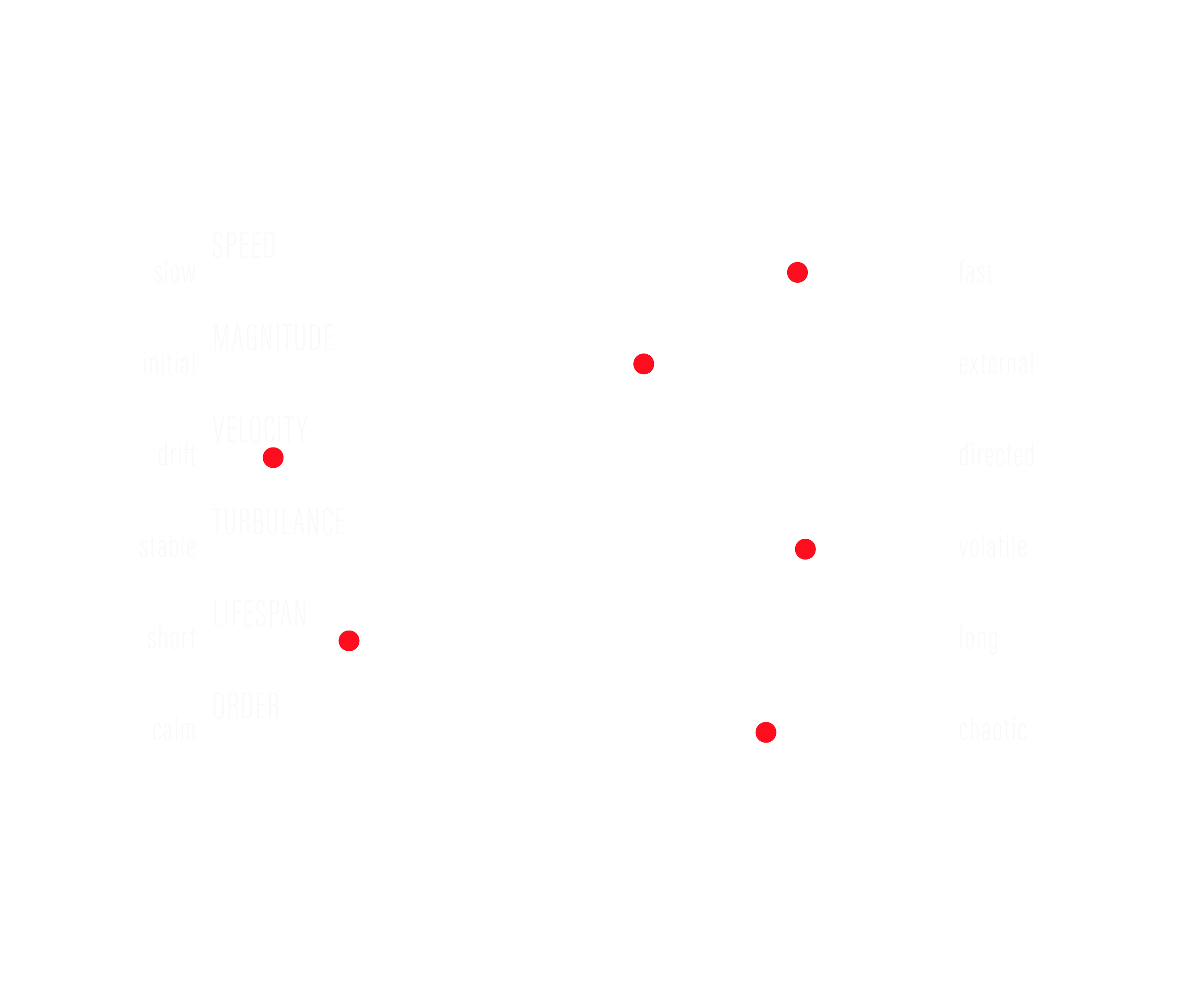
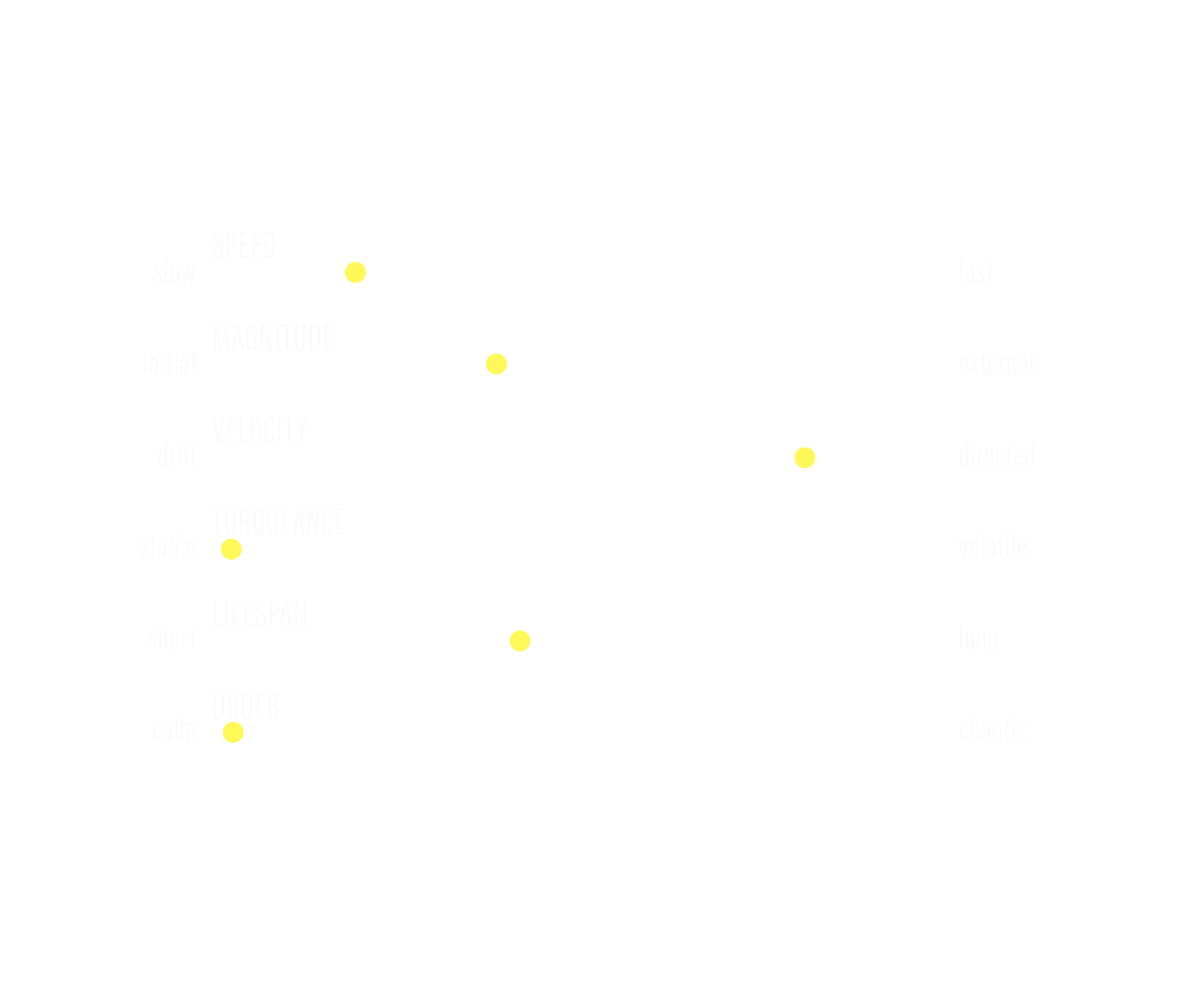
When I started learning TouchDesigner, something shifted. The numerical side of me was triggered by how small parameter changes dramatically altered the output. A minor shift in magnitude, speed, or turbulence could completely transform the system’s behavior. I became fascinated by how subtle interventions reshape outcomes.
Emotional Landscapes is not an attempt to define what these emotions “are.”
It is a personal mapping of how they behave within me.
Each emotion runs on the same underlying particle system.
Only the values change.
This project sits between engineering and intuition, not to control emotion, but to understand its patterns.
It is an ongoing series. Whenever I experience a new emotional intensity that requires reflection, it will be added.
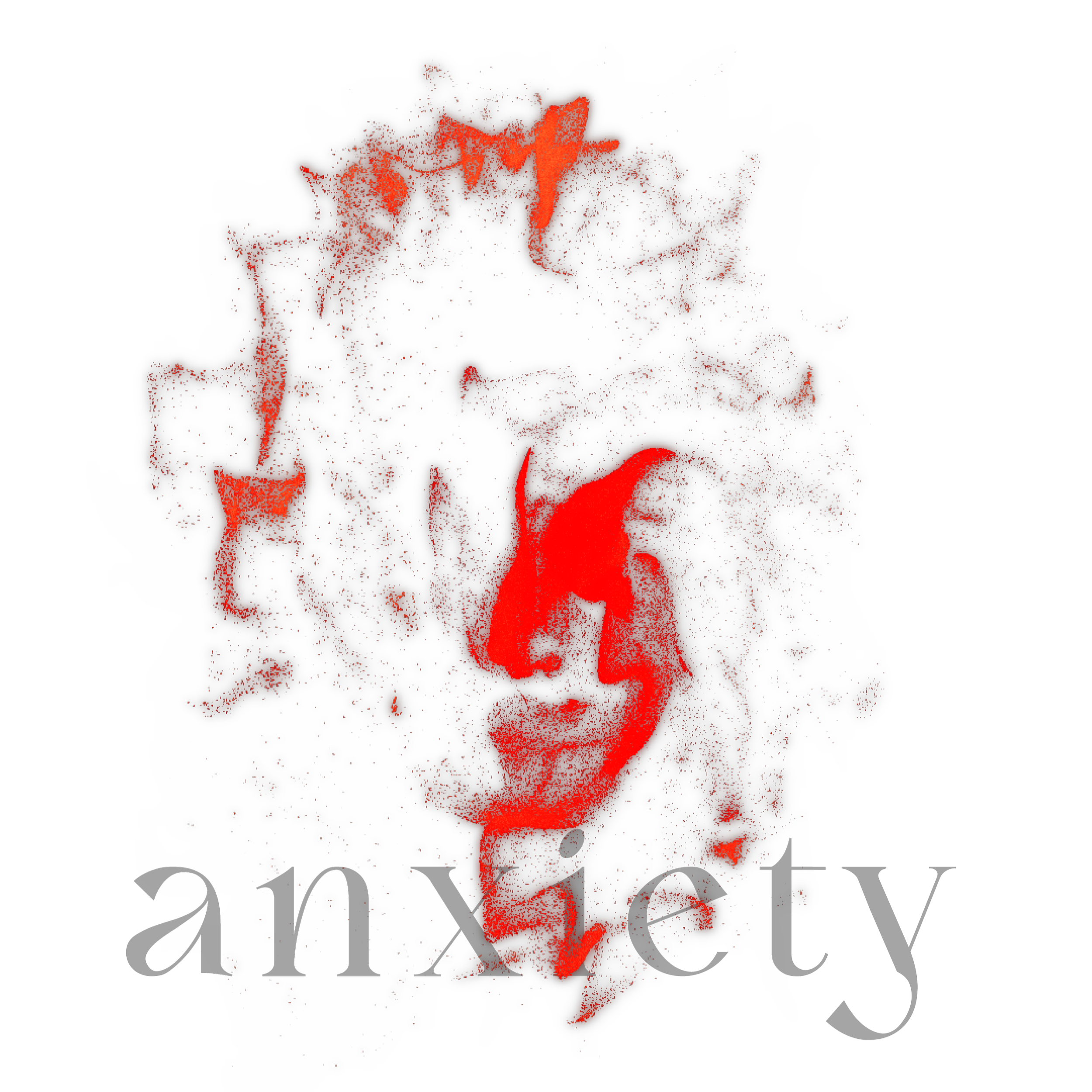
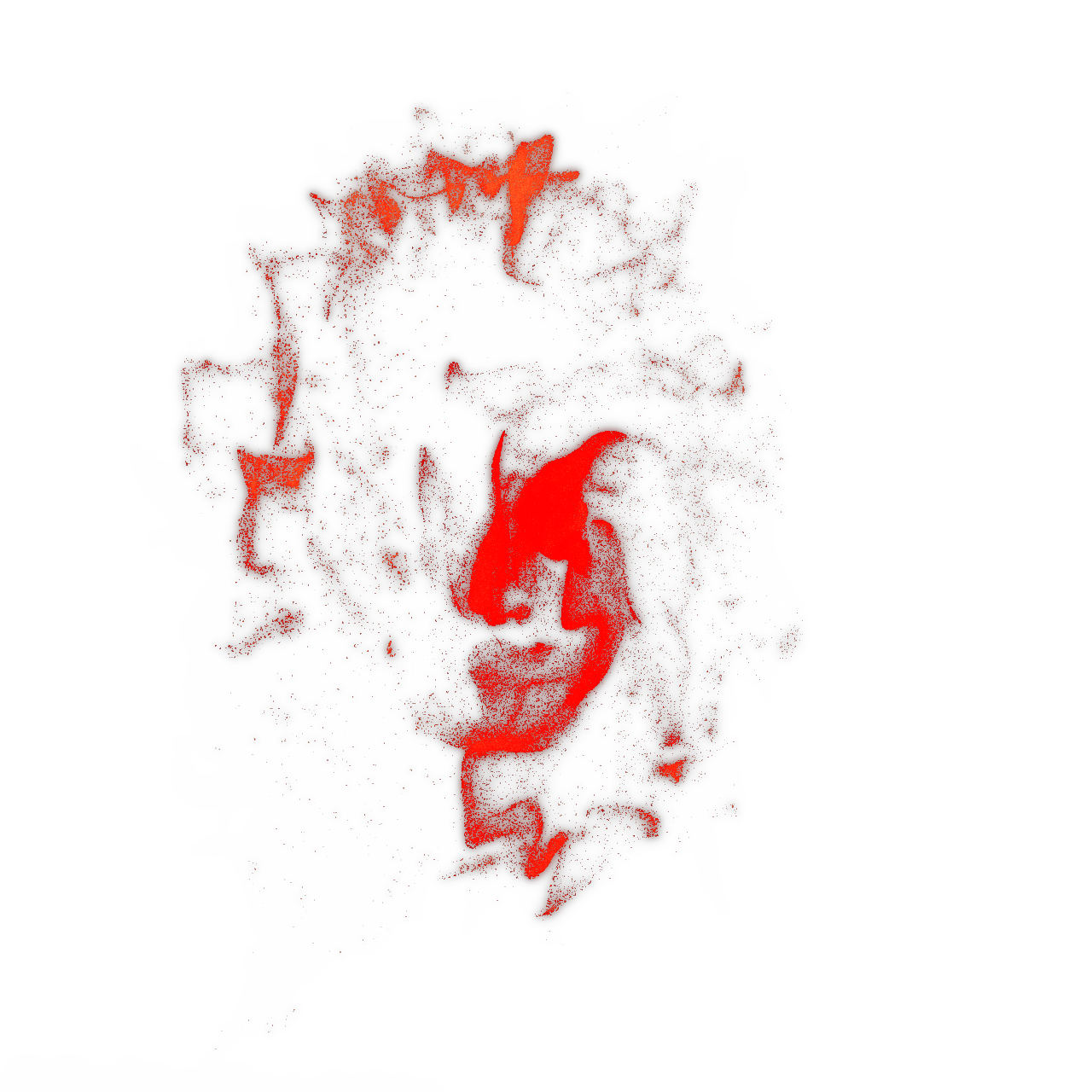
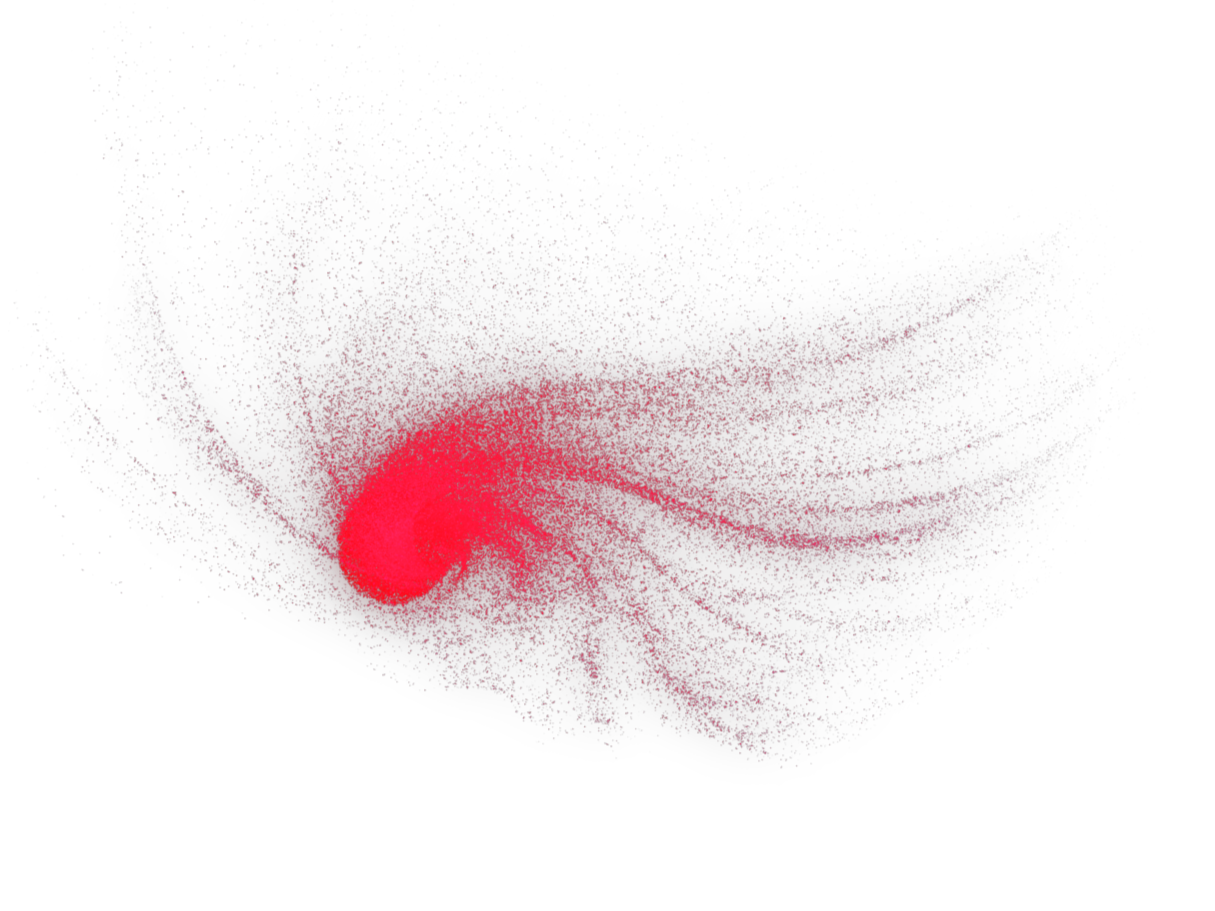
Anxiety is not localized.
It moves through the body.
It begins in the chest, a tight unrest, but gains direction from the mind. The brain amplifies it, sends it everywhere. It disrupts focus, productivity, clarity.
Red was inevitable.
It is tense, visible, undeniable.
Unlike anger, anxiety has no clear direction. Anger can lead to decisive action. Anxiety does not. It is doubt, fear, uncertainty, movement without resolution.
In the simulation, anxiety never stabilizes.
Even when you know you’ve done everything you can, the agitation does not disappear. It migrates. It fades in one area and reappears in another.
Particles shift rapidly.
They complete their lifespan, turning orange as intensity decreases locally
yet the system remains unstable.
Anxiety resists structure.
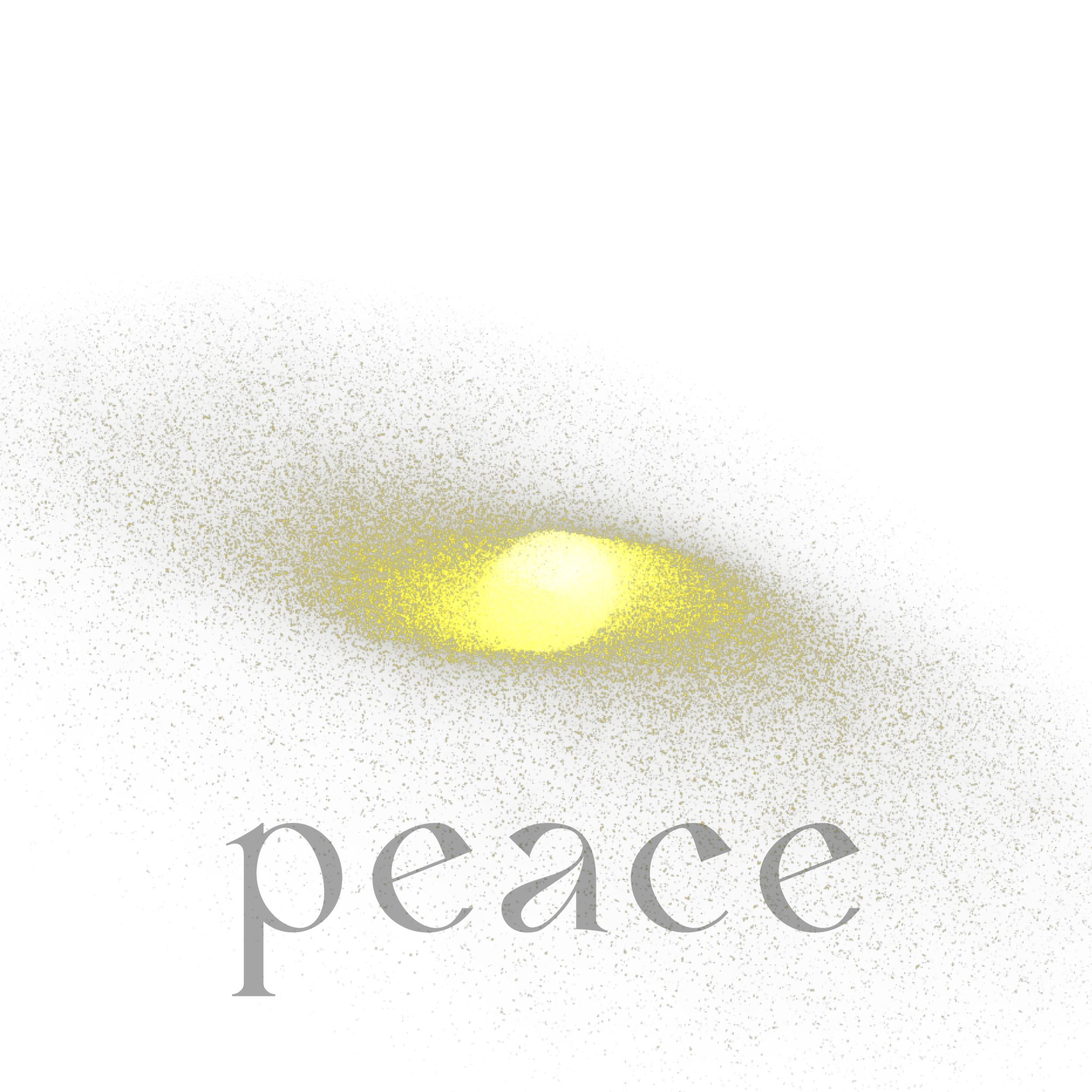
Peace is not the absence of motion.
It is balanced flow.
I experienced it intensely during a period of reduced stress, living by the sea in spring. It felt like sunlight but not burning, not cold. Warm, stable.
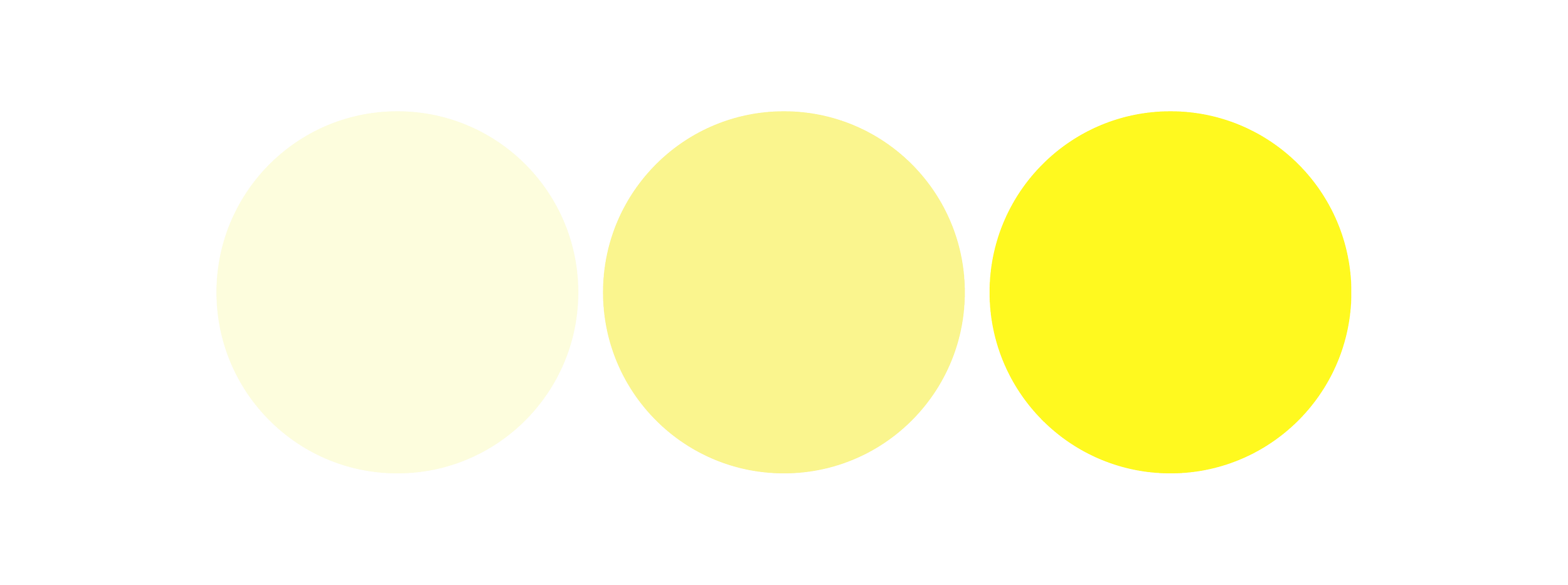
Yellow connects to that warmth.
A gentle sun. Lying on grass. Feeling aligned.
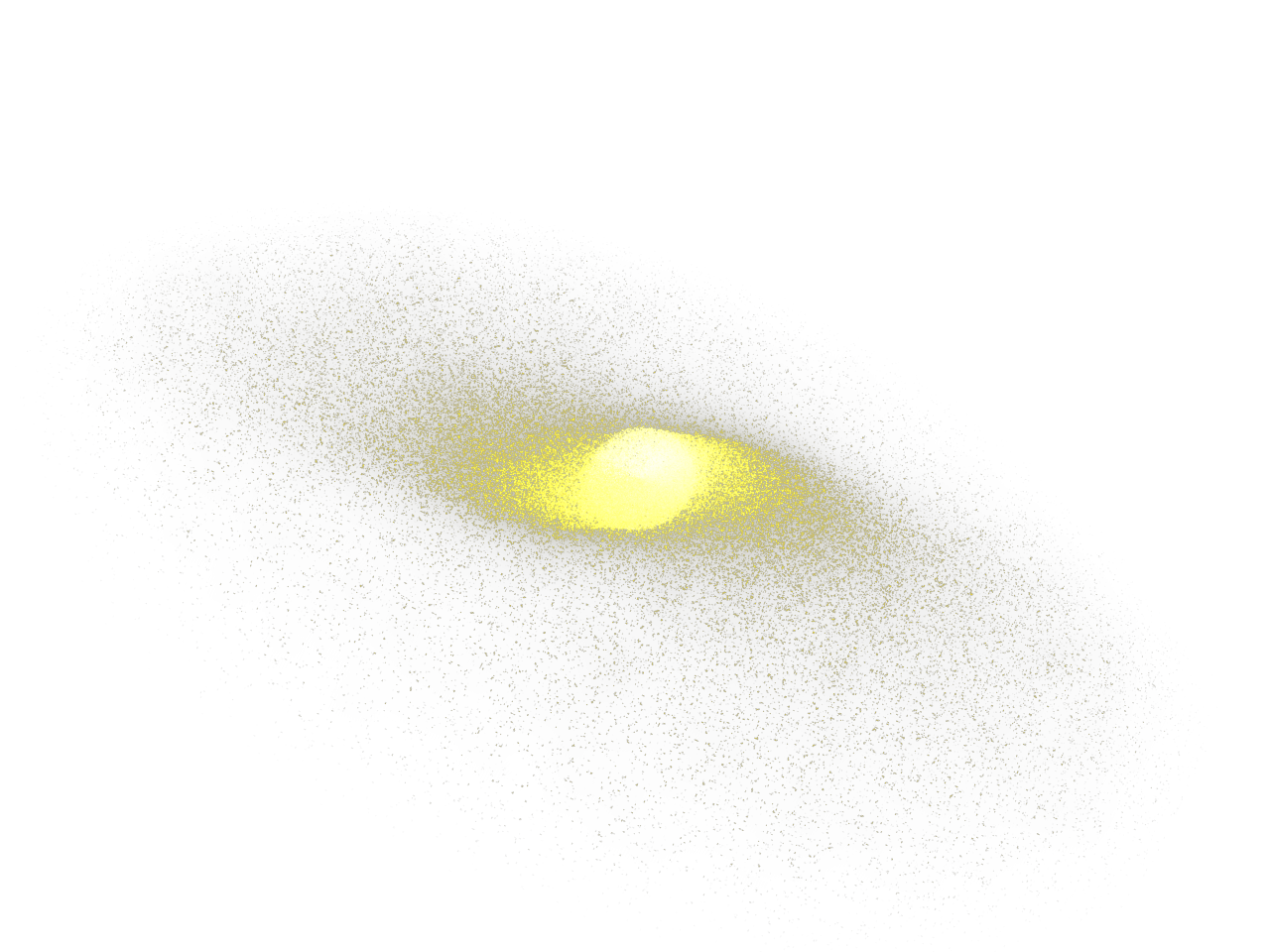
Particles orbit around a center in harmony.
Some drift outward, but others replace them. The system sustains itself.
If no external force interferes like another emotion, it could remain like this indefinitely.
Peace is temporary, but while present, it feels eternal.
It resembles a slightly accelerated galaxy.
Grief is not something we are born knowing.
At some point, abruptly, we are forced to learn it.
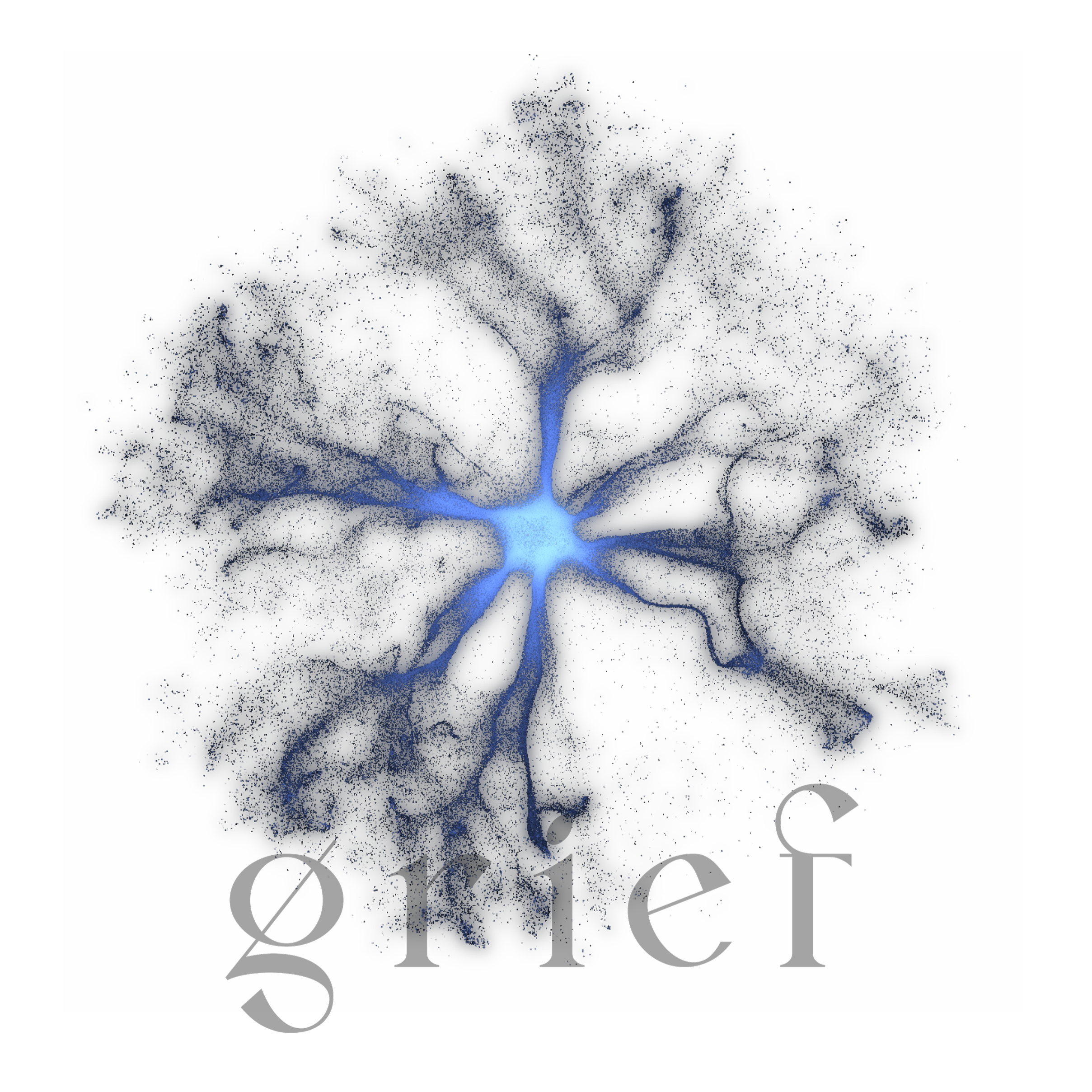
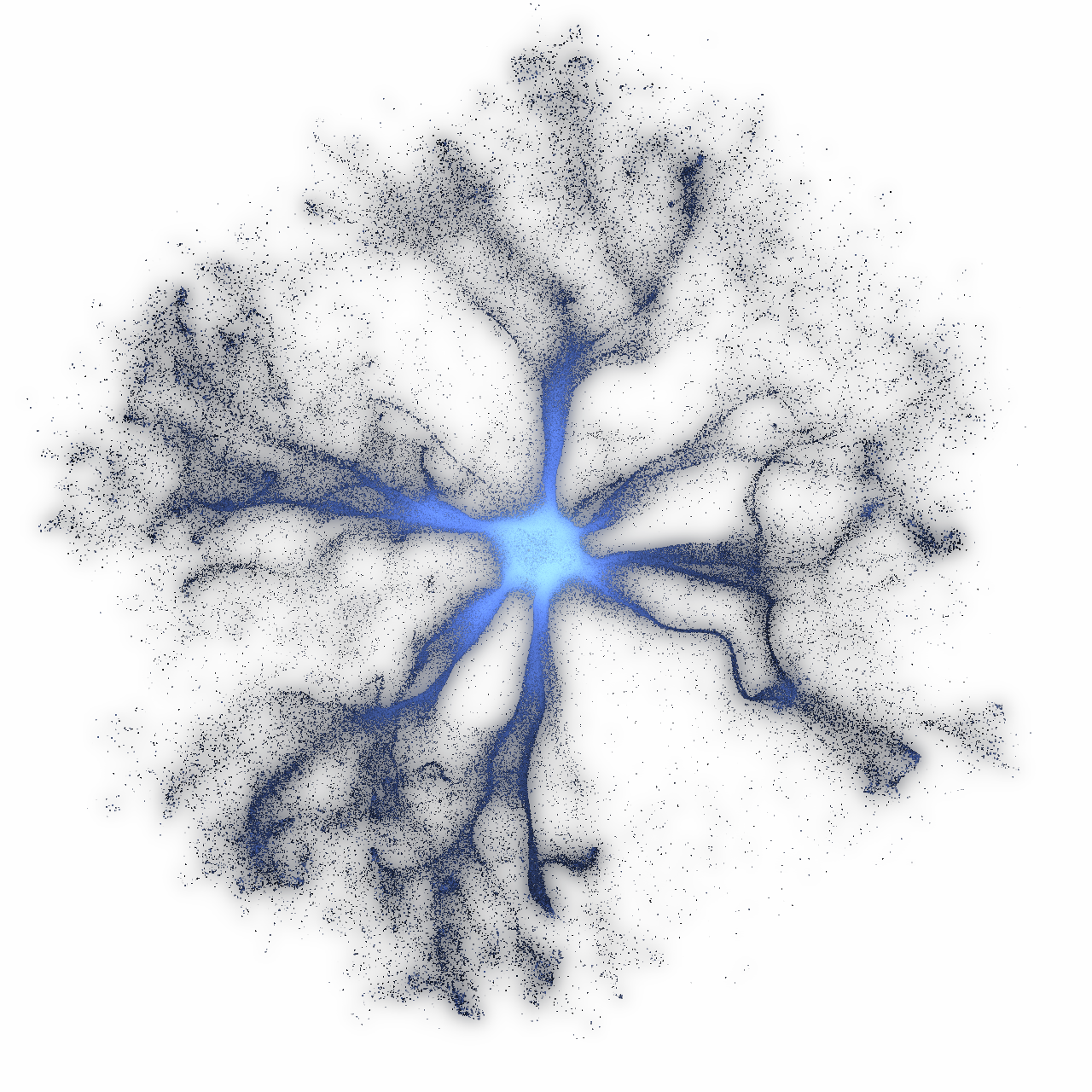
It begins as a burning core, concentrated and overwhelming.
Then it spreads.
It infiltrates different areas of life, permanently altering how you see and move through the world.
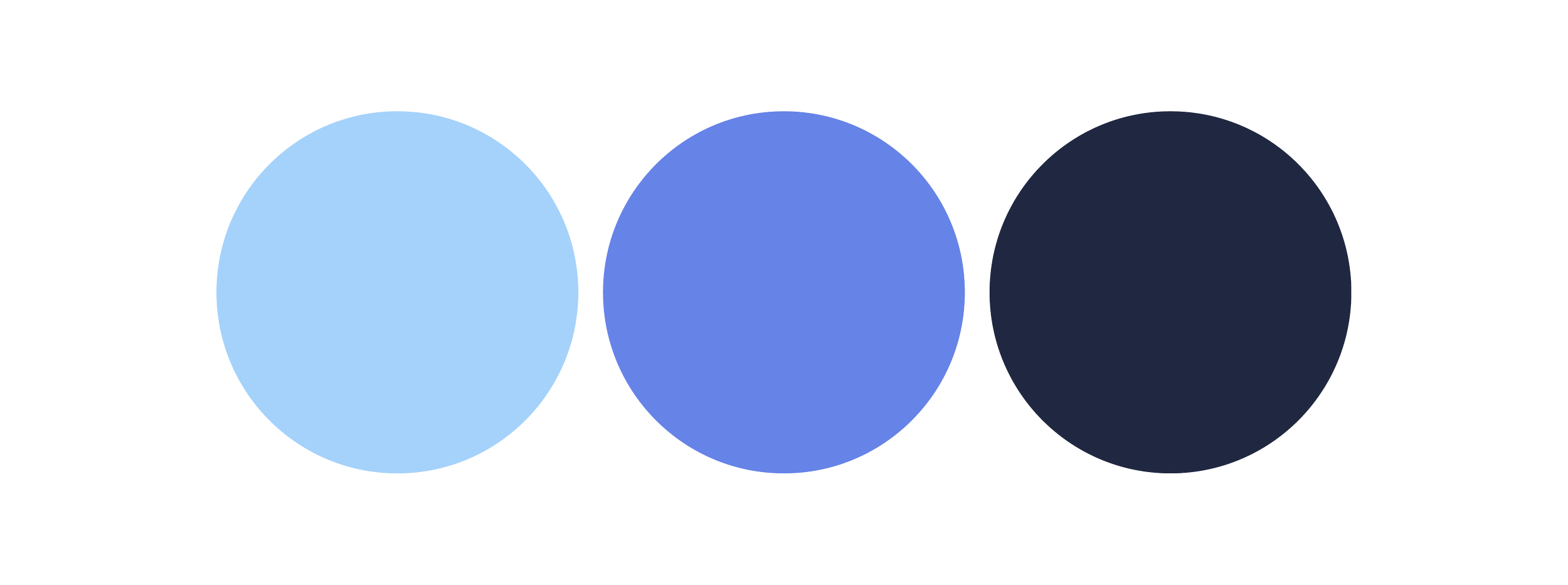
Soft blue represents this quiet sadness for me.
In the simulation, the intense center gradually distributes into channels. The color softens as grief integrates. It becomes less sharp, less consuming
but never disappears.
The final vibration remains.
Grief does not heal back to a previous state.
It integrates.
You move forward changed.
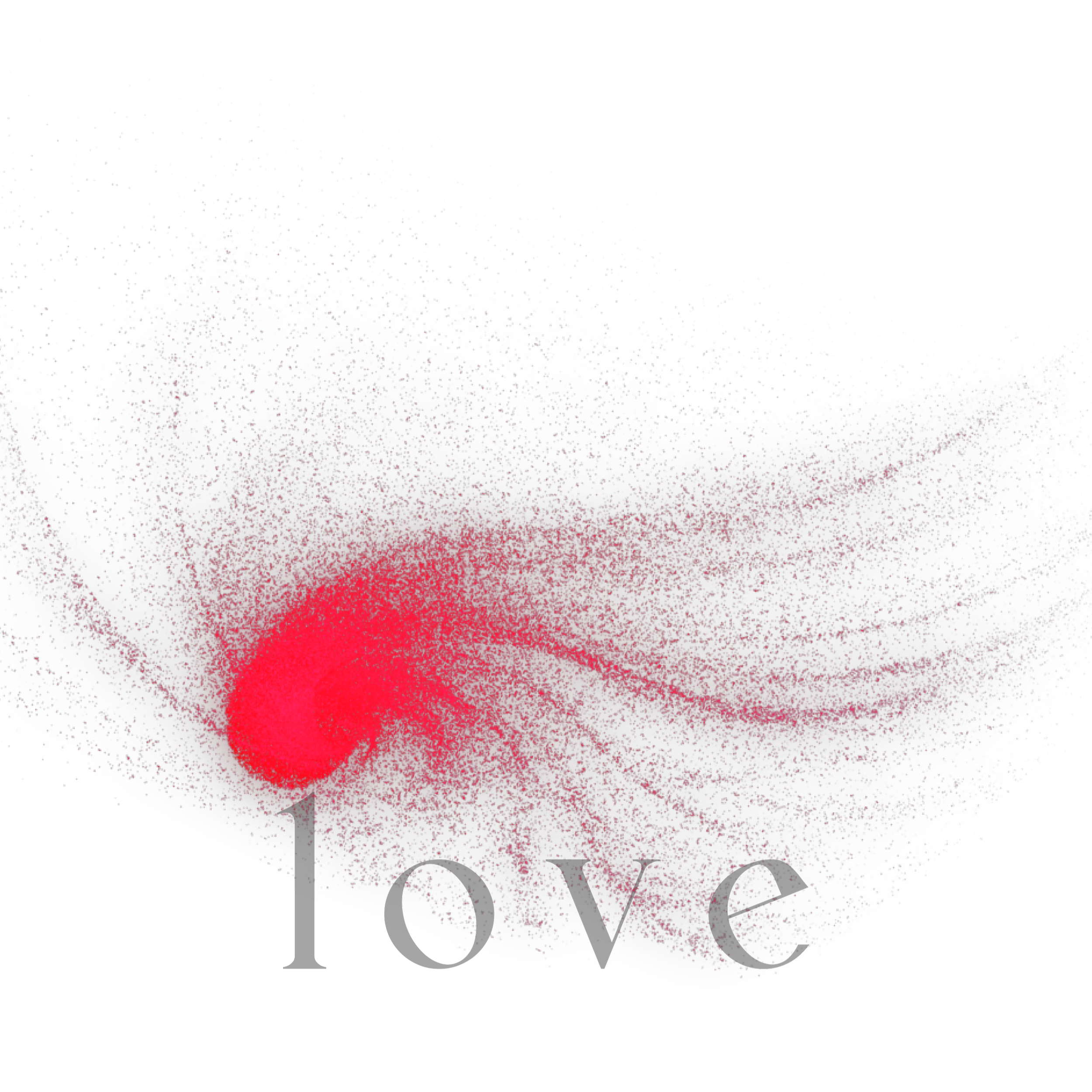
Love is not a single center.
It begins intensely, passionate, from within.
One center is the origin. The other is where it dissolves around.
It is not equal symmetry.
One side burns stronger.
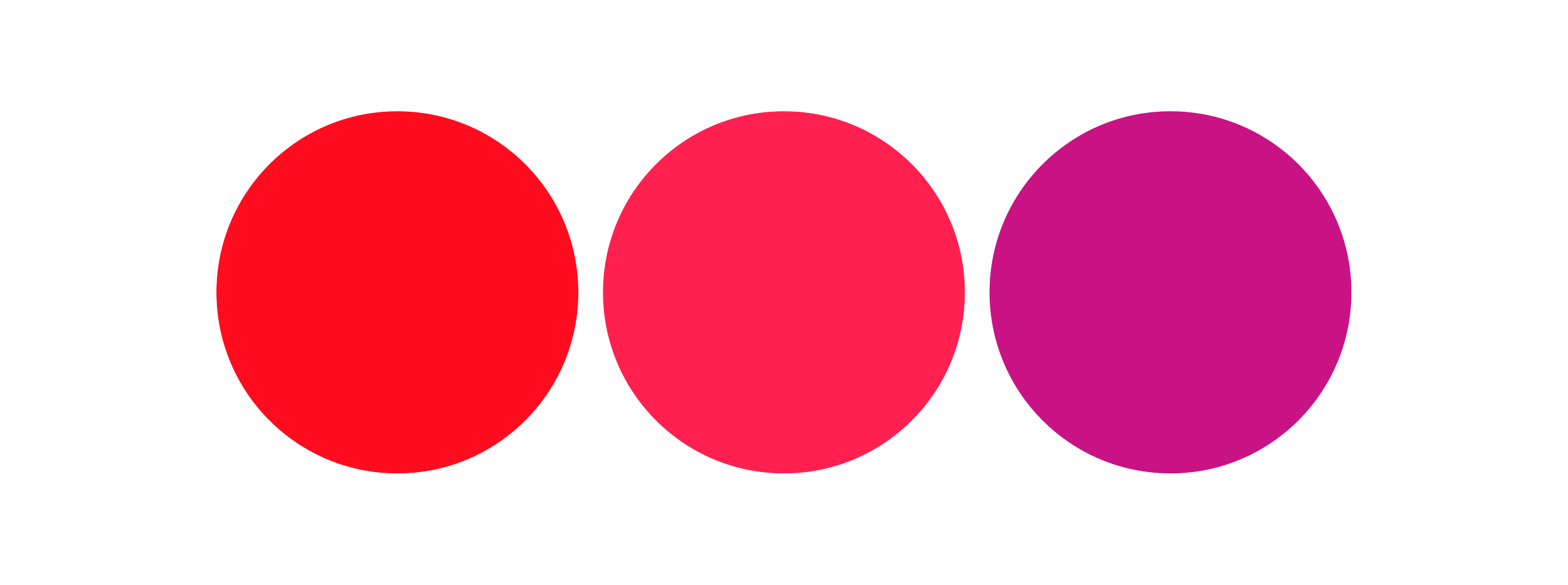
The color transitions from deep red to vivid pink, passion blending with affection, reaching what feels like raw love. Then it gradually absorbs blue, shifting toward violet tones.
That blue carries the possibility of loss & grief.
Love must fade at some point, not to disappear, but to allow rebirth. It can ignite again in different forms.
Particles move between two gravitational points.
They travel uneven distances. They stretch, destabilize, yet the flow continues.
Love generates gravity, but it never guarantees permanence.
Process
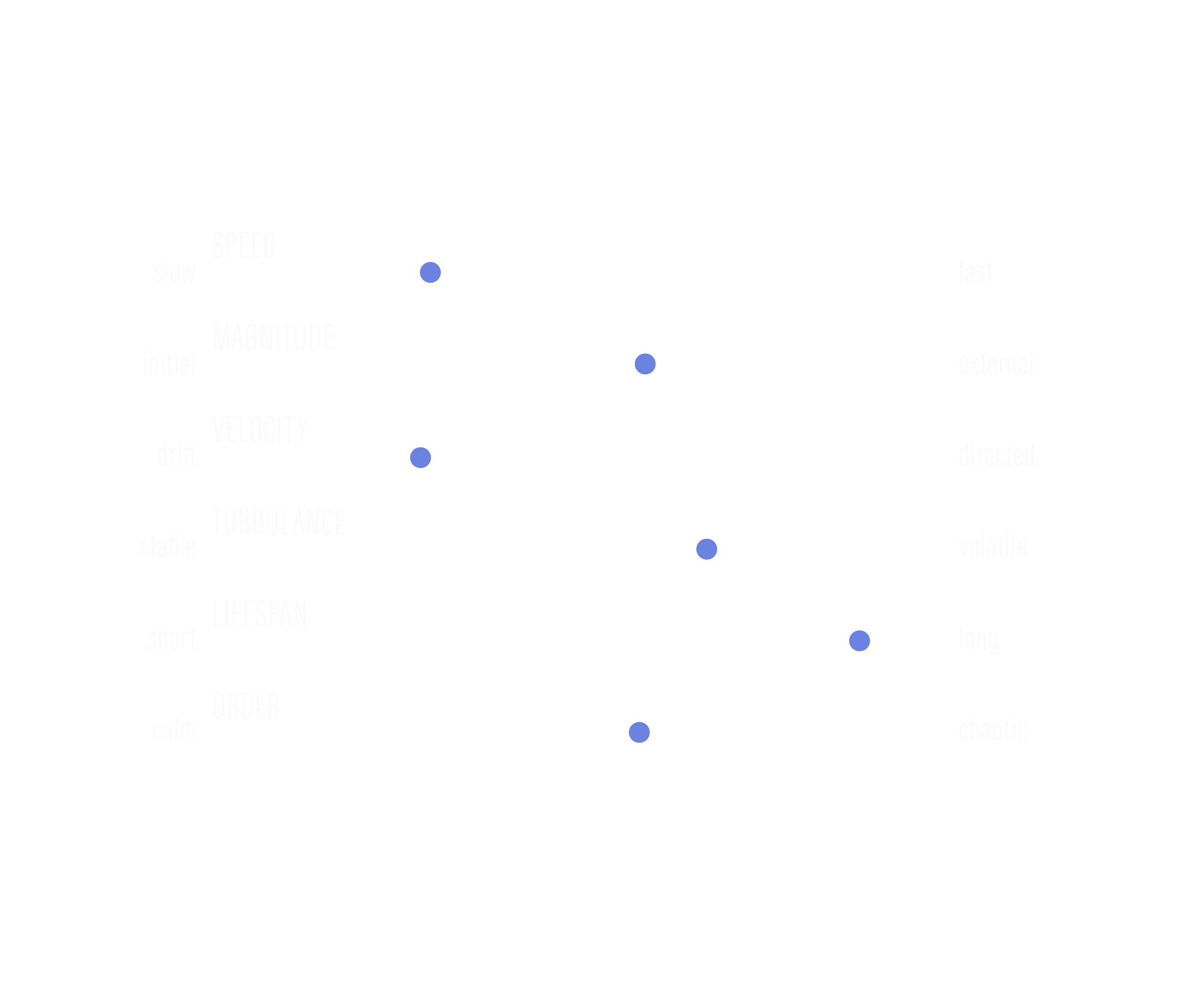
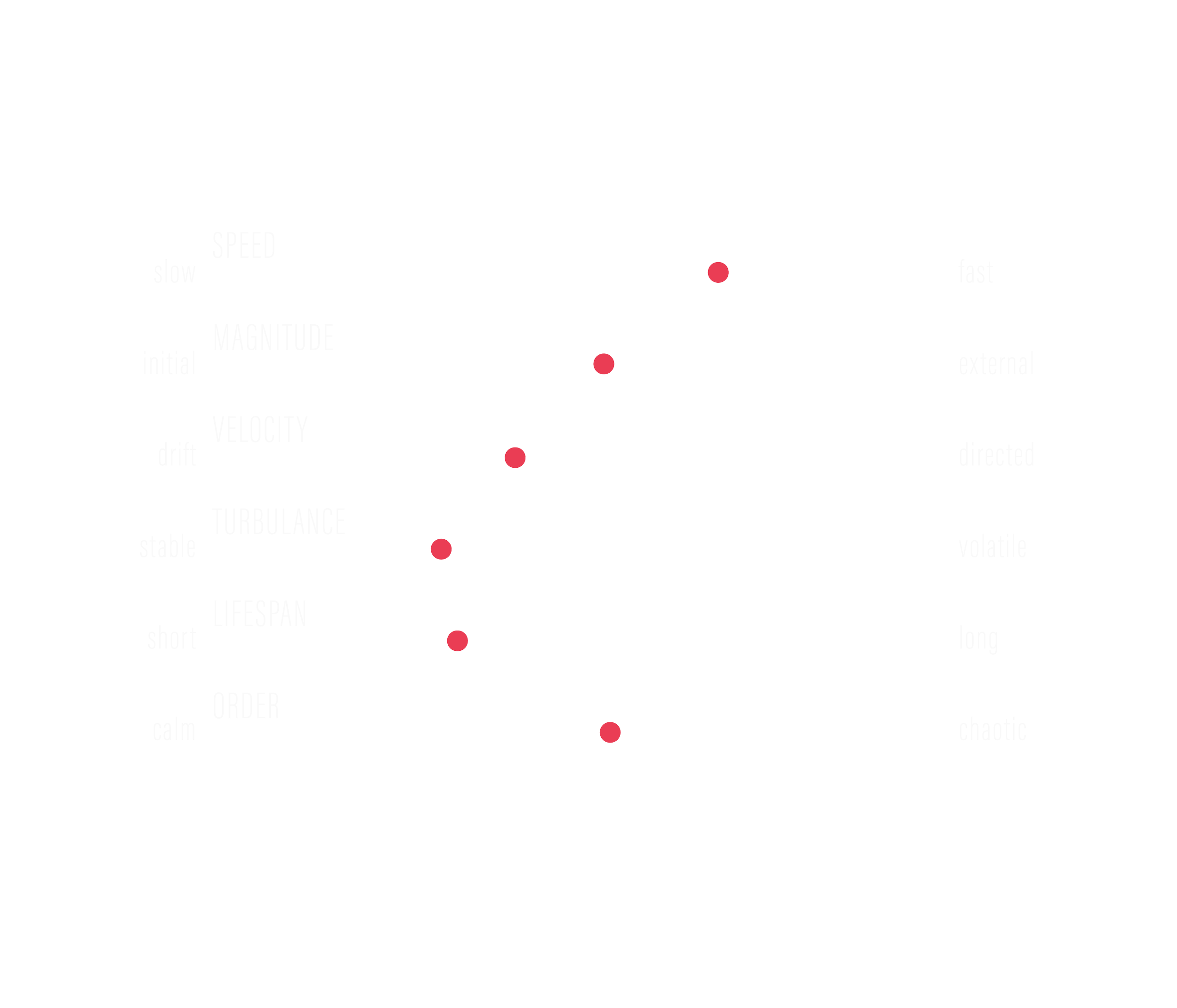
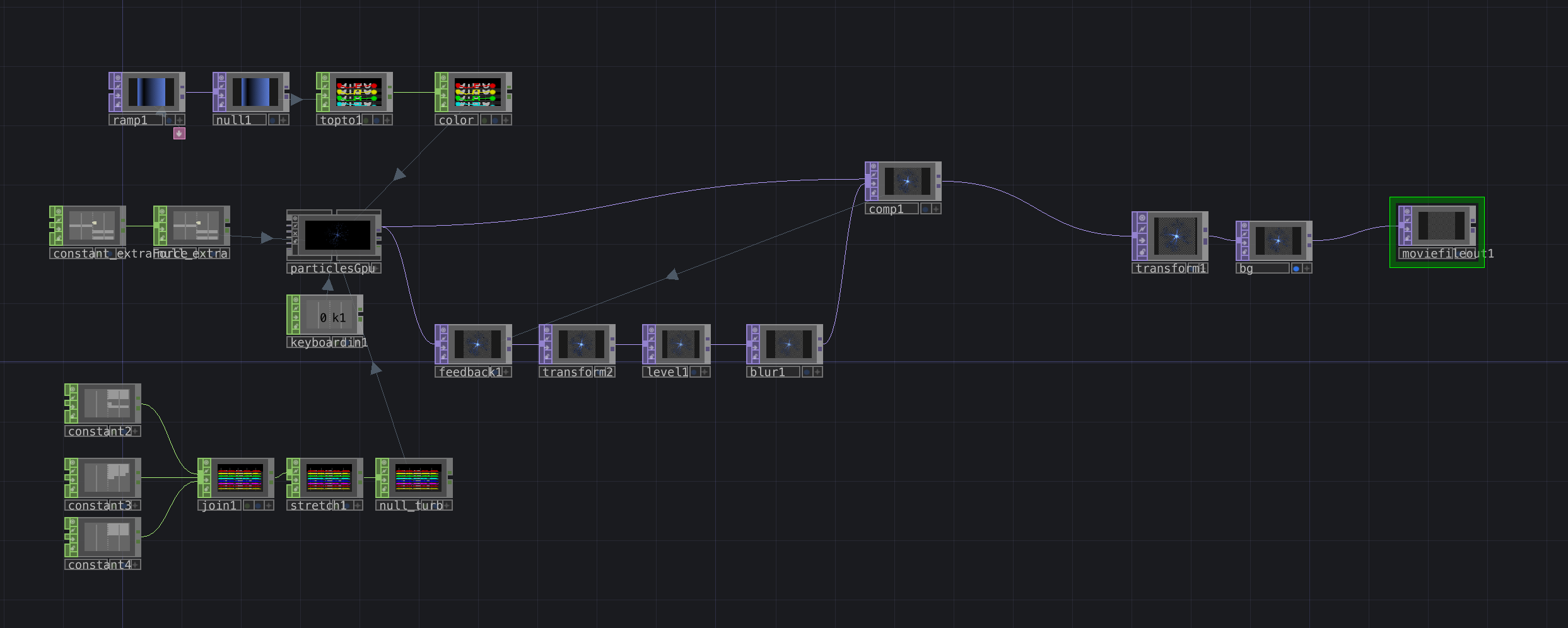
All four simulations are built using the same particlesGPU-based system in TouchDesigner. The network structure remains consistent; only parameters values and force types shift to alter behavioral outcomes.
Rather than building separate systems for each emotion, I chose to maintain a unified structure. This reinforces the core idea:
The system is constant.
Only the forces change.
Tools used: TouchDesigner | Adobe Photoshop | Adobe Premiere Pro
Emotions feel abstract and deeply personal.
Yet their behaviors repeat, they accelerate, settle, disperse, or resist.
This project does not aim to define emotion universally.
It’s a reflection.
If viewers begin to reconsider how their own emotions behave,
the work has done its job.
Design is emotional, but math describes it.